

Hey pet parents! With summer quickly approaching here in Florida and across the country, those sunny days bring fun outdoor adventures—but they also come with real risks for our dogs and cats. Heatstroke and overheating are among the most common summertime pet emergencies, and vets are reminding everyone that prevention is key.
Why Summer Heat Is Tough on Pets
Unlike us, dogs and cats don’t sweat much. They mainly cool down by panting, which isn’t always enough when temperatures climb above 85°F, especially with high humidity. Brachycephalic breeds (like Bulldogs, Pugs, and Persian cats), older pets, overweight animals, and puppies/kittens are at higher risk, but every pet can be affected.
Common signs of heat stress include:
Excessive panting or drooling
Bright red gums
Lethargy or weakness
Vomiting or diarrhea
Collapse or disorientation
If you spot these, move your pet to a cool area immediately, offer water, and contact your vet or emergency clinic right away—heatstroke can become life-threatening in as little as 30-60 minutes.
Dogs' paw pads are tough but not invincible. Burns happen fast, especially for puppies, seniors, or dogs with thinner pads. Signs include limping, excessive licking or chewing at paws, red or blistered pads, or your dog suddenly refusing to walk or hopping from foot to foot.
Pavement gets much hotter than the air around it because dark asphalt and concrete absorb sunlight. On a day when the air is just 86°F, asphalt can hit a scorching 135°F—hot enough to cause burns in as little as 60 seconds. At 77°F air temperature, asphalt often reaches 125°F, where skin damage can start quickly. In Florida's intense sun, surfaces can climb even higher, sometimes 140–160°F on 90°F+ days.
The simple 7-second test (recommended by vets and organizations like the AKC and AAHA): Place the back of your hand on the sidewalk for seven seconds. If it's too hot for your hand, it's definitely too hot for your dog's paws. Do this before every walk!
Easy Ways to Protect Your Furry Friends
Walk your dog early in the morning or after sunset.
Always provide plenty of fresh, cool water and shade.
Never leave pets in a parked car—even for a few minutes.
Use cooling mats, vests, or towels for extra relief indoors or outdoors.
Keep an eye on humidity; Florida summers can feel extra sticky and dangerous.
Schedule a quick vet check if your pet has any underlying conditions.
Pet owners who stay proactive report fewer vet visits and happier, more active pets all season long.
Quick-Selling Product Recommendation
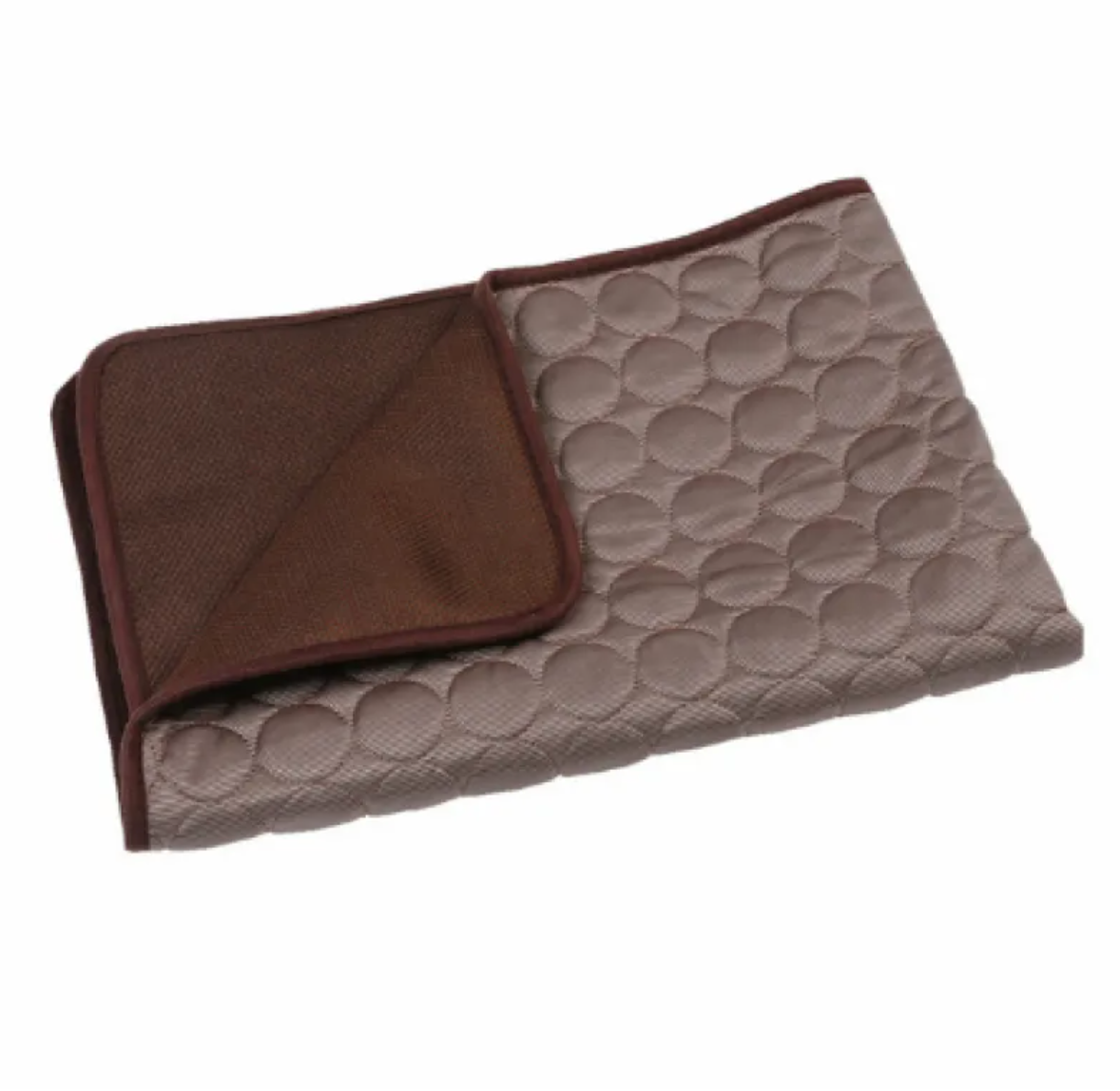
One product that sells out fast every summer is the Ice Silk Cooling Mat. It’s a simple, no-electricity-needed pad that provides instant cooling—perfect for crates, floors, or beds. Pet parents love how it cools pets for hours, is easy to clean, and helps anxious or hot pets relax without freezing or mess.
It’s affordable, comes in multiple sizes, and is a fantastic because it works right away and lasts through many hot days. Great for dogs and cats alike!
Grab the Ice Silk Cooling Mat here (choose the size that fits your pet best):
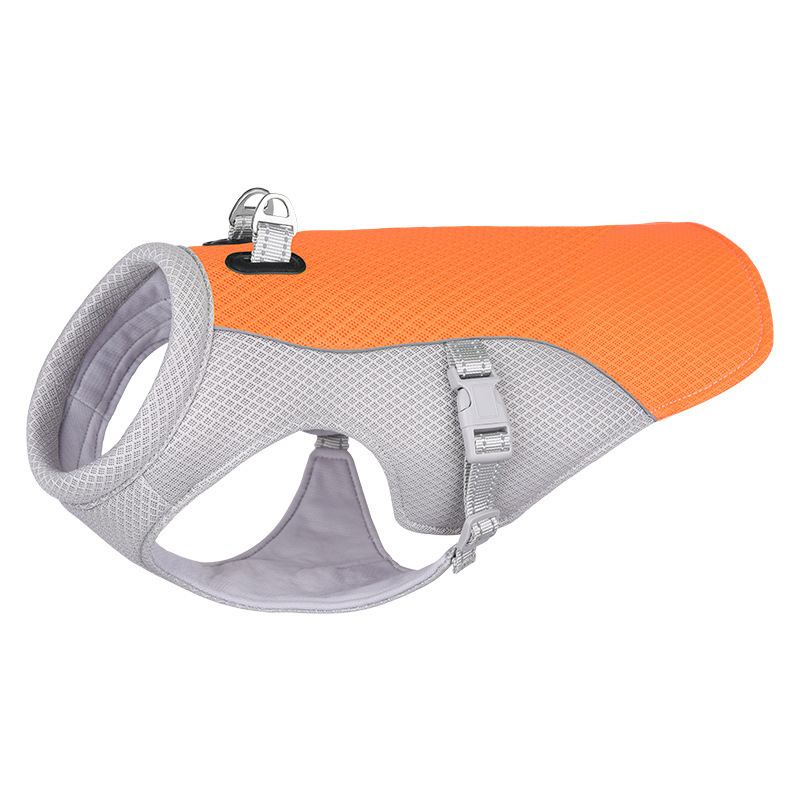
For even more options, some pet parents pair it with a cooling vest or elevated cot for outdoor time.
Summer should be about making memories with your pets, not worrying about the heat. A few smart habits and the right cooling gear can make all the difference in keeping tails wagging and purrs going strong. Talk to your veterinarian for personalized advice, especially if your pet has health concerns.
Stay cool out there, friends—your pets will thank you!